
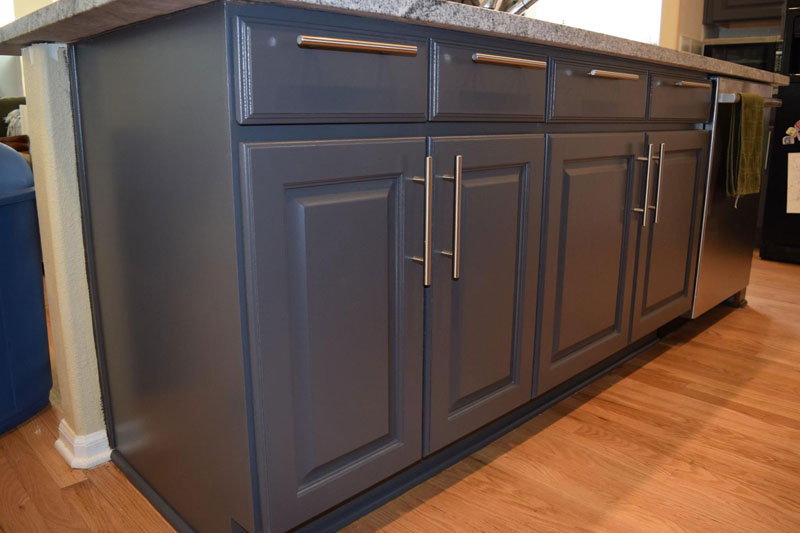
Cabinet Refinishing FAQ Guide
Everything Homeowners Need to Know About Professional Cabinet Refinishing Services
Cabinet refinishing is one of the most effective ways to transform kitchens, bathrooms, laundry rooms, and built-in cabinetry without the cost and disruption of full cabinet replacement. This guide answers common questions about the refinishing process, durability, preparation, coatings, cost factors, and long-term value.
What Is Cabinet Refinishing?
Cabinet refinishing restores and updates existing cabinet surfaces while preserving the cabinet structure. Instead of tearing out cabinets, professional refinishing uses cleaning, sanding, repair, priming, and durable finish application to create a refreshed look and stronger protective surface.
Why Refinishing Is Popular
Many cabinets remain structurally sound long after their finish looks outdated or worn. Refinishing gives homeowners a high-impact transformation without unnecessary demolition, excessive renovation costs, or the waste that often comes with full cabinet replacement.
Professional Prep & Coatings
Professional cabinet refinishing is more than basic painting. It involves degreasing, surface preparation, sanding, bonding primers, and cabinet-grade coatings designed to resist moisture, grease, heat, cleaning products, scratches, and daily use.
Long-Term Value
Refinishing can improve home appearance, support resale value, extend the life of existing cabinetry, and reduce material waste. It is a smart option for homeowners who want a cleaner, updated, and more durable cabinet finish without replacing the entire cabinet system.
Cabinet Refinishing FAQ
Cabinet refinishing is the process of restoring and updating existing cabinet surfaces while keeping the original cabinet structure in place. It can include cleaning, sanding, repairing, priming, and applying professional-grade coatings or finishes to create a refreshed, durable appearance.
Cabinet refinishing has become popular because it gives homeowners a major visual upgrade without the cost, mess, and disruption of full cabinet replacement. Many cabinets are still structurally sound, but their finish may be faded, scratched, outdated, or worn.
No. Professional cabinet refinishing is more advanced than basic cabinet painting. It involves proper cleaning, degreasing, sanding, bonding primers, surface repair, controlled finish application, and durable cabinet-grade coatings designed for high-use surfaces.
The process typically starts with cleaning and degreasing to remove oils and residue. Cabinets are then sanded, repaired as needed, primed with bonding products, and finished with durable coatings that protect the surface while creating a smooth, updated look.
When completed properly with professional preparation and cabinet-grade coatings, refinished cabinets can last well over a decade. Longevity depends on the quality of the prep work, coating system, daily use, cleaning habits, and overall cabinet condition.
Yes. Modern cabinet coatings are designed for demanding spaces like kitchens and bathrooms. Professional finishes can resist moisture, grease, repeated cleaning, heat exposure, scratches, and daily physical contact much better than standard wall paint.
In many cases, laminate cabinets can be professionally refinished when the correct preparation methods and bonding primers are used. Proper surface prep is especially important because laminate requires strong adhesion to help coatings bond securely.
Preparation determines how well the finish bonds to the cabinet surface. Cleaning, sanding, repairing, and priming help prevent peeling, cracking, bubbling, and premature finish failure. Poor preparation is one of the most common reasons DIY cabinet finishes do not last.
Cabinet refinishing is often more sustainable than full replacement because it preserves existing cabinet structures and reduces demolition waste. Instead of sending usable cabinets to a landfill, refinishing extends their lifespan and reduces the need for new materials.
Depending on the wood species and desired finish, grain-filling techniques can reduce visible texture and create a smoother modern appearance. Some woods naturally show more grain than others, so the final result depends on the cabinet material and finish goal.
Wood naturally expands and contracts with humidity and temperature changes. Professional cabinet coatings are designed with flexibility and durability in mind, helping reduce cracking, peeling, and finish movement caused by normal environmental changes.
Professional spray systems usually create a smoother, more consistent finish without visible brush marks or roller texture. Sprayed finishes are often preferred for homeowners who want a clean, factory-like appearance on doors, drawers, and cabinet fronts.
Yes. Updated cabinetry can improve the overall look of kitchens, bathrooms, laundry rooms, and built-ins, which can positively affect buyer perception. Fresh, well-finished cabinets help a home feel cleaner, newer, and more move-in ready.
Cost depends on cabinet size, number of doors and drawers, existing condition, finish type, repair needs, color selection, grain filling, hardware upgrades, and the amount of preparation required. Larger or more damaged cabinet systems usually require more labor and materials.
Professional refinishing uses better preparation methods, bonding primers, cabinet-grade coatings, specialized application equipment, controlled curing practices, and technical knowledge. This helps produce a smoother finish and much stronger long-term durability than most DIY cabinet painting projects.